
Carpet Tile for Government Facilities | Benefits & Guide
Published by Diane Conti with AI Generated Content on Aug 17th 2026
Carpet Tile: 8 Advantages That Make It a Smart Flooring Choice
Government facilities need flooring that can stand up to heavy traffic, simplify maintenance, control costs, and provide a professional environment for employees and the public. Carpet tile checks many of these boxes, making it a practical flooring solution for offices, schools, libraries, public buildings, healthcare facilities, and other government environments.
Unlike traditional broadloom carpet, carpet tile is installed in smaller modular sections that can be replaced individually when damage or wear occurs. For government facilities focused on long-term value and efficient maintenance, that modular approach can provide a significant advantage.
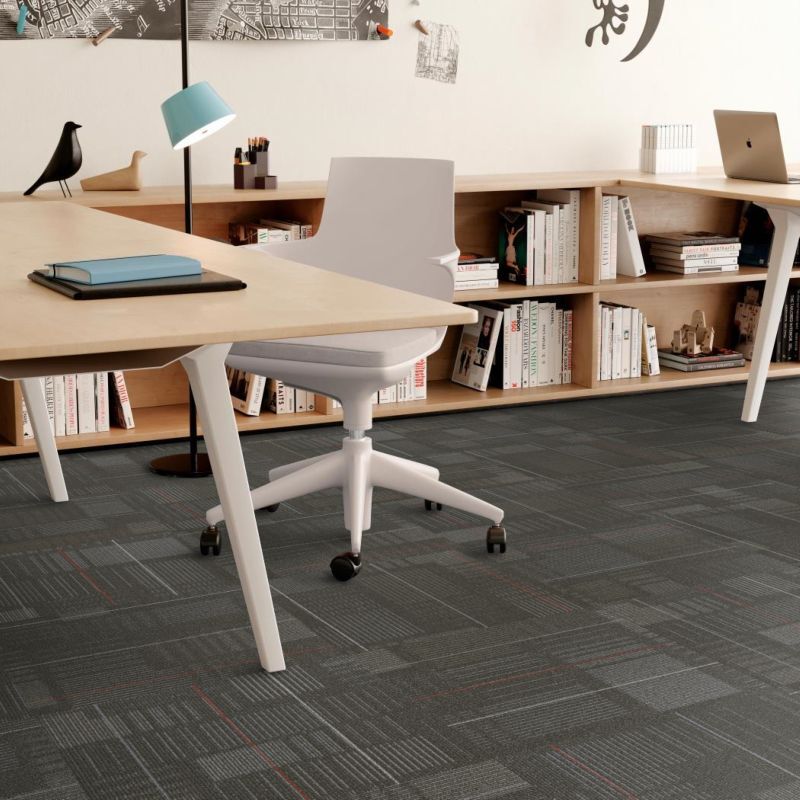
Here are eight reasons government facilities should consider carpet tile for their next flooring project.
1. Replace Only the Damaged Area
One of the biggest advantages of carpet tile is its modular construction.
If a section of flooring becomes stained, damaged, or excessively worn, maintenance personnel can typically replace the affected tile rather than replacing an entire room or carpet section.
This can help:
- Reduce repair costs
- Minimize material waste
- Extend the useful life of the overall floor
- Simplify maintenance in high-traffic areas
- Reduce disruption to occupants
For government facilities managing multiple buildings or large square-footage requirements, the ability to make targeted repairs can provide meaningful long-term savings.
2. Ideal for High-Traffic Government Facilities
Government buildings experience a wide variety of traffic conditions. Entrances, corridors, waiting areas, offices, classrooms, libraries, and public service areas can all experience significant daily use.
Commercial carpet tile is available in products designed for demanding environments, providing a durable flooring option while also helping create a comfortable and professional atmosphere.
For facilities managers, selecting a carpet tile appropriate for the expected traffic level is an important part of achieving long-term performance.
3. Simplifies Maintenance and Future Repairs
Facility maintenance is often about solving problems quickly.
Because carpet tile can be removed and replaced individually, maintenance teams can address localized problems without undertaking a major flooring replacement project.
Facilities can also keep a quantity of replacement tiles in storage. This can be particularly useful when a facility needs to match an existing floor several years after the original installation.
Tip for government facilities: When ordering carpet tile, consider purchasing extra tiles for future repairs. Keeping replacement material on-site can make future maintenance much easier.
4. Offers Design Flexibility
Carpet tile isn't limited to a single color or repetitive appearance.
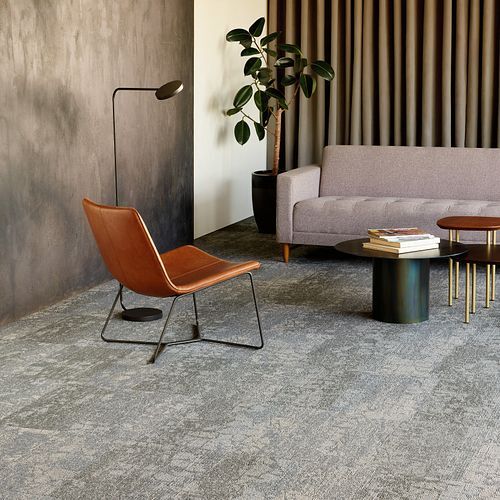
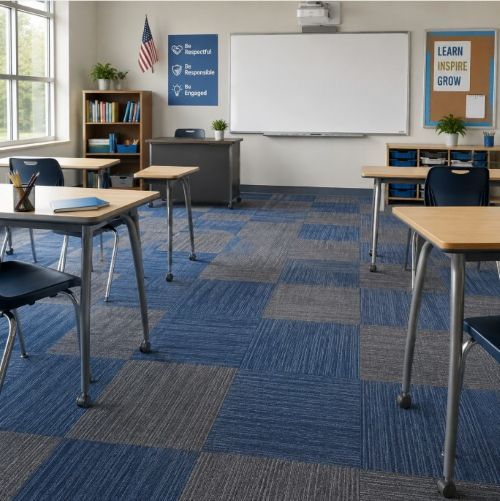
Modern modular carpet systems are available in a wide variety of colors, patterns, textures, and installation configurations. Facilities can use different colors or patterns to define spaces, create pathways, identify departments, or establish a distinctive appearance.
This flexibility can be especially useful in:
- Government offices
- Public libraries
- Schools and universities
- Courthouses
- Municipal buildings
- Administrative facilities
- Community centers
Carpet tile can also be combined with other flooring products, such as resilient flooring or LVT, to create functional transitions between different areas of a facility.
5. Can Improve Acoustics
Noise control is an important consideration in many public buildings.
Carpet tile can help reduce the impact of foot traffic and contribute to a quieter interior environment compared with many hard-surface flooring options.
This can be particularly beneficial in environments where people need to communicate, concentrate, or work for extended periods, including:
- Administrative offices
- Classrooms
- Libraries
- Meeting areas
- Call centers
- Public service offices
When acoustical performance is a priority, government buyers should review the manufacturer's published acoustic performance information and consider the complete flooring assembly.

6. Supports Efficient Installation
The modular nature of carpet tile can provide installation flexibility.
Because carpet tile is installed in individual sections, installers can work within occupied facilities and address specific areas without necessarily requiring a complete building shutdown.
This can help government agencies manage flooring projects around:
- Business hours
- School schedules
- Public access requirements
- Department operations
- Phased renovation projects
For facilities that cannot easily close an entire building, the ability to complete flooring work in phases can be an important consideration.
7. Helps Government Facilities Manage Lifecycle Costs
The initial purchase price is only one part of the cost of a flooring system.
Government agencies should also consider the expected maintenance requirements, repairability, replacement process, installation requirements, and anticipated service life when evaluating flooring options.
Carpet tile's ability to replace individual damaged sections can help reduce the scope of future repairs. Instead of treating an entire room or floor as one replacement project, facilities can address individual problem areas as they occur.
That lifecycle perspective can make carpet tile an attractive option when agencies are evaluating total cost of ownership, rather than simply the lowest initial price.
8. Provides Options for Sustainability and Government Procurement Requirements
Many commercial carpet tile manufacturers offer products with sustainability attributes, recycled content, recycling programs, environmental product declarations, or other environmental certifications.
Government agencies increasingly consider sustainability alongside performance and cost when purchasing building materials.
When evaluating carpet tile, procurement teams should review the manufacturer's current product documentation for applicable certifications, recycled content, indoor air quality information, and other environmental attributes.
Always verify that the specific product meets the requirements of the project and applicable agency specifications.
Carpet Tile vs. Broadloom Carpet
Both carpet tile and broadloom carpet can be effective commercial flooring solutions. The right choice depends on the facility, installation conditions, design requirements, budget, and maintenance strategy.
| Consideration | Carpet Tile | Broadloom Carpet |
|---|---|---|
| Localized replacement | Excellent | More difficult |
| Design flexibility | Excellent | Excellent |
| Maintenance flexibility | Excellent | Good |
| Phased installation | Excellent | More challenging |
| High-traffic applications | Excellent with appropriate product | Excellent with appropriate product |
| Storage of replacement material | Easy | More difficult |
| Waste from localized repairs | Lower | Potentially higher |
| Pattern/layout options | Extensive | Extensive |
For facilities where maintenance flexibility and localized replacement are priorities, carpet tile deserves serious consideration.
What Should Government Buyers Look for in Carpet Tile?
Before selecting a product, procurement and facilities teams should consider:
Traffic: Is the product rated for the expected level of commercial or institutional traffic?
Maintenance: How easily can individual tiles be removed and replaced?
Warranty: What does the manufacturer's warranty cover, and for how long?
Installation: Does the product require a specific adhesive or installation method?
Acoustics: Does the product provide the acoustic characteristics required for the space?
Sustainability: Does the product meet the agency's environmental purchasing requirements?
Availability: Is the product readily available, and can replacement material be obtained in the future?
Budget: What is the total lifecycle cost—not simply the initial material price?
Why Carpet Tile Makes Sense for Government Facilities
Government flooring projects require more than an attractive finished appearance. Agencies need products that provide durability, maintainability, flexibility, and long-term value.
Carpet tile offers a combination of these benefits while giving facilities managers a practical way to address localized damage and future repairs. Its modular format, design flexibility, acoustic benefits, and suitability for phased installations make it a versatile option for many government environments.
Whether you're renovating a government office, upgrading a school, remodeling a library, or completing a larger public-sector facility project, carpet tile can be an effective component of a long-term flooring strategy.
Frequently Asked Questions
Is carpet tile good for government buildings?
Yes. Commercial carpet tile can be well suited for many government facilities because it offers durability, design flexibility, and the ability to replace individual damaged tiles instead of an entire carpeted area.
Is carpet tile good for schools?
Carpet tile can be an excellent option for appropriate areas of schools, particularly offices, libraries, administrative areas, collaboration spaces, and other areas where acoustics and comfort are important. Product selection should be based on the specific traffic and maintenance requirements.
Can individual carpet tiles be replaced?
Yes. One of the primary advantages of modular carpet tile is that individual tiles can generally be removed and replaced when damaged or stained.
Does carpet tile help with noise?
Carpet tile can contribute to improved acoustic conditions by helping reduce the sound associated with foot traffic. Specific acoustic performance varies by product and installation assembly.
Is carpet tile more sustainable than broadloom carpet?
Sustainability depends on the specific products and installation systems being compared. Carpet tile can offer advantages related to localized replacement and reduced waste during certain repairs, while manufacturers may also offer products with recycled content and environmental certifications.
How should government agencies purchase carpet tile?
Government buyers should evaluate the product, specifications, pricing, availability, warranty, installation requirements, and applicable purchasing contracts or cooperative purchasing options. Selecting a qualified supplier familiar with government procurement can also help simplify the purchasing process.
Explore Carpet Tile for Your Next Government Flooring Project
Continental Flooring Company provides commercial flooring solutions for government agencies, schools, and other public-sector facilities. All types of carpet are available on our national cooperative contracts. We can also include flooring installation services on contract. Our team can help identify flooring options based on performance requirements, project specifications, budget, installation needs, and procurement requirements.
Explore carpet tile options at shop.continentalflooring.com or contact Continental Flooring to discuss your next government flooring project.