
Slip-Resistant Flooring for Government Buildings: Safety, Compliance, and Smart Selection
Published by Diane Conti with AI Generated Content on Apr 17th 2026
Government buildings see constant foot traffic—employees, visitors, students, and the public moving through corridors, lobbies, restrooms, and service areas every day. With volume comes responsibility: ensuring floors are not just durable and attractive, but safe under all conditions.
Slip-and-fall incidents remain one of the most common—and costly—liability risks in public facilities. The right flooring choice can dramatically reduce those risks while meeting compliance standards and long-term maintenance goals.
Why Slip Resistance Matters in Public Facilities
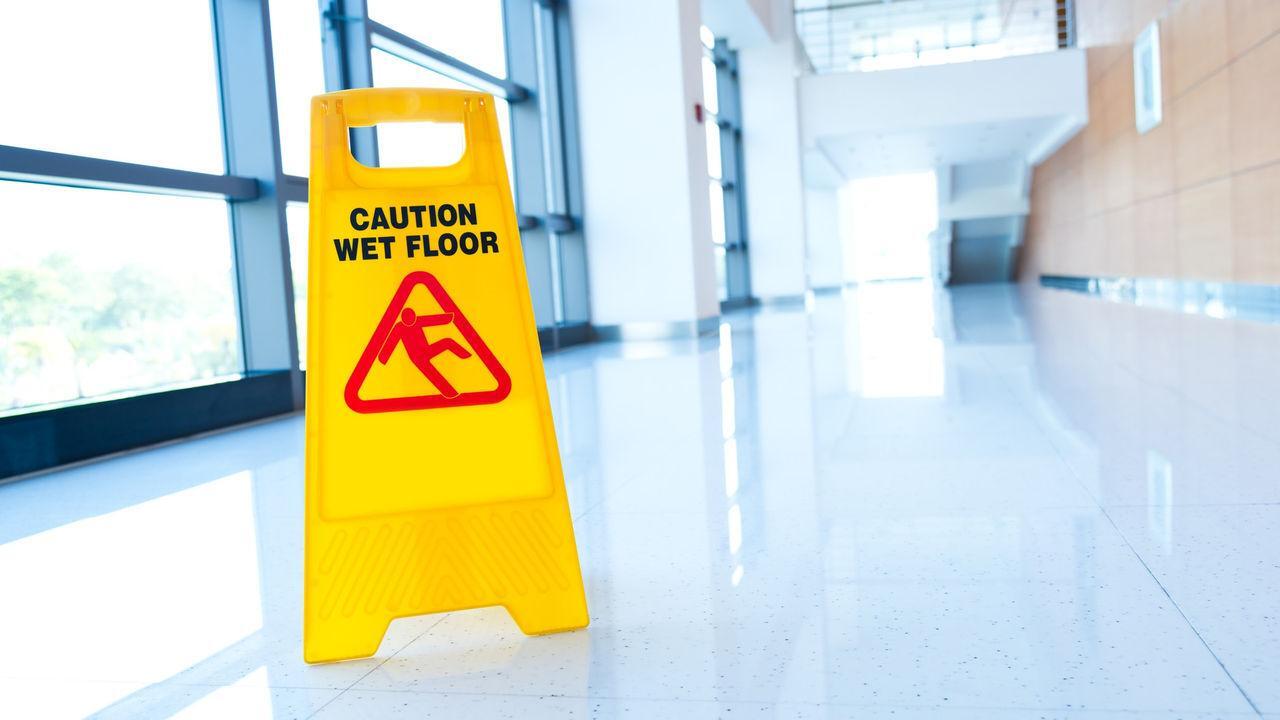
Slip resistance isn’t just a “nice to have”—it’s a critical safety feature tied to:
- Risk management: Reduces injuries and liability claims
- Accessibility compliance: Supports ADA-safe environments
- Operational continuity: Minimizes disruptions from accidents
- Public trust: Demonstrates commitment to safety
High-risk areas include:
- Entryways exposed to weather
- Restrooms and locker rooms
- Cafeterias and kitchens
- Healthcare and assisted living environments
Understanding Slip Resistance Ratings
Before selecting flooring, it’s important to understand how slip resistance is measured.
- Coefficient of Friction (COF): Measures how resistant a surface is to slipping
- A higher COF = more traction
- Dynamic Coefficient of Friction (DCOF): Evaluates slip resistance under motion (more realistic for foot traffic)
- ANSI A326.3 Standard: Recommends a DCOF of ≥ 0.42 for level interior floors
For government applications, selecting flooring that meets or exceeds these benchmarks is essential.
Best Slip-Resistant Flooring Options
1. Textured Luxury Vinyl Tile (LVT)
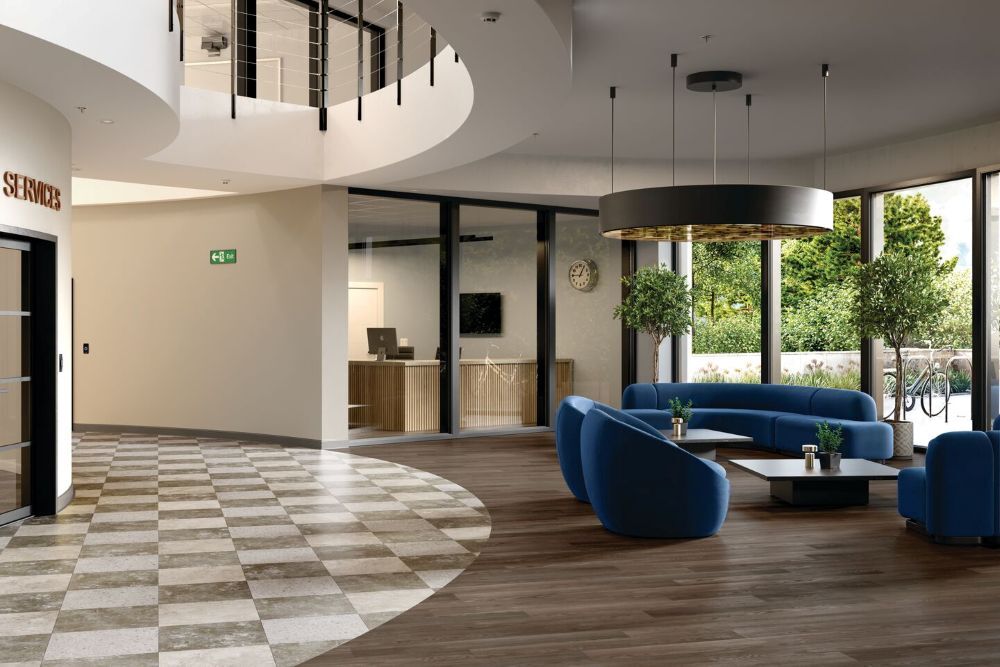
Why it works:
- Embossed textures improve traction
- Durable wear layers handle heavy traffic
- Available in stone, wood, and abstract looks
Best for:
- Offices, corridors, waiting areas, classrooms, public housing
2. Rubber Flooring
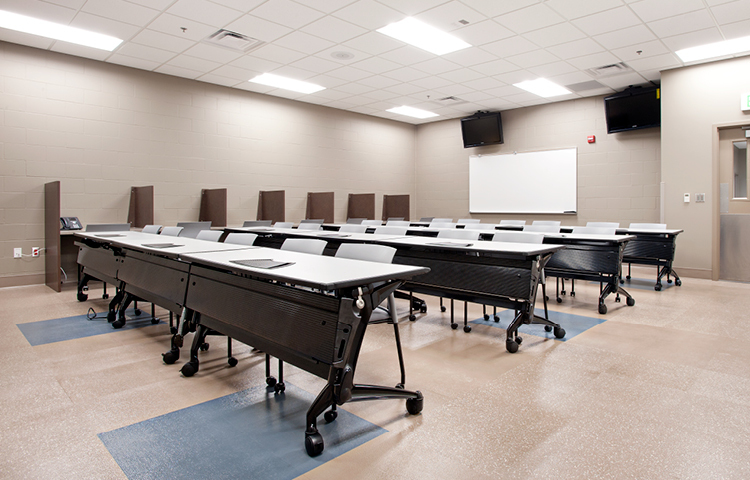
Why it works:
- Naturally slip-resistant, even when wet
- Cushioned underfoot (reduces fatigue and injury severity)
- Excellent for noise reduction
Best for:
- Healthcare facilities, schools, fitness areas, weight rooms
3. Quarry Tile & Textured Ceramic Tile
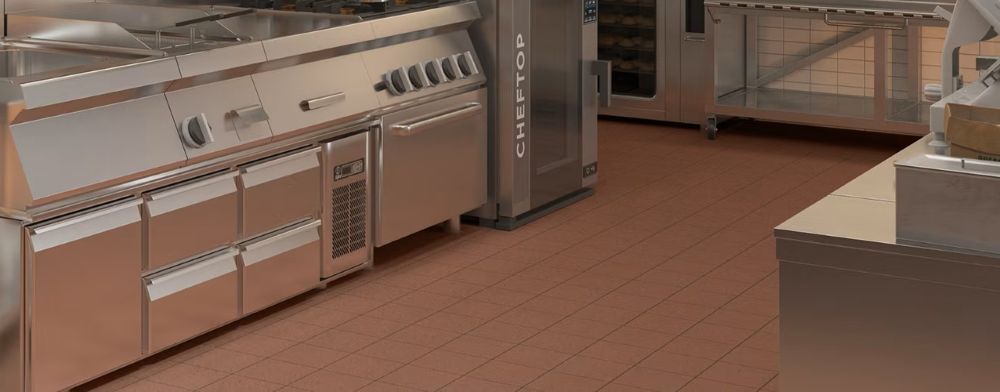
Why it works:
- High durability in wet and greasy environments
- Strong slip resistance with proper texture
- Long lifespan
Best for:
- Commercial kitchens, restrooms, janitorial areas
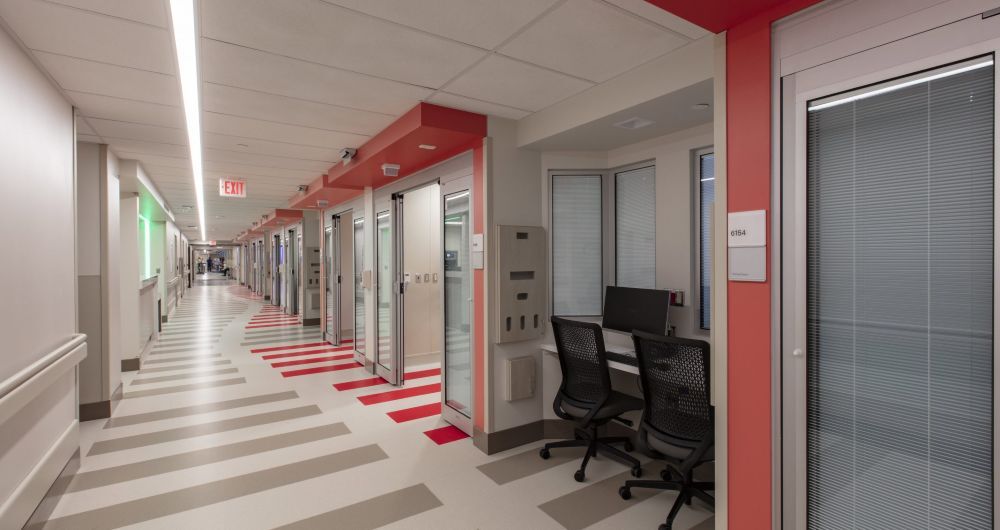
4. Slip-Resistant Sheet Vinyl
Why it works:
- Seamless installation reduces water intrusion
- Integrated slip-resistant particles
- Easy to clean and maintain
Best for:
- Healthcare, labs, restrooms
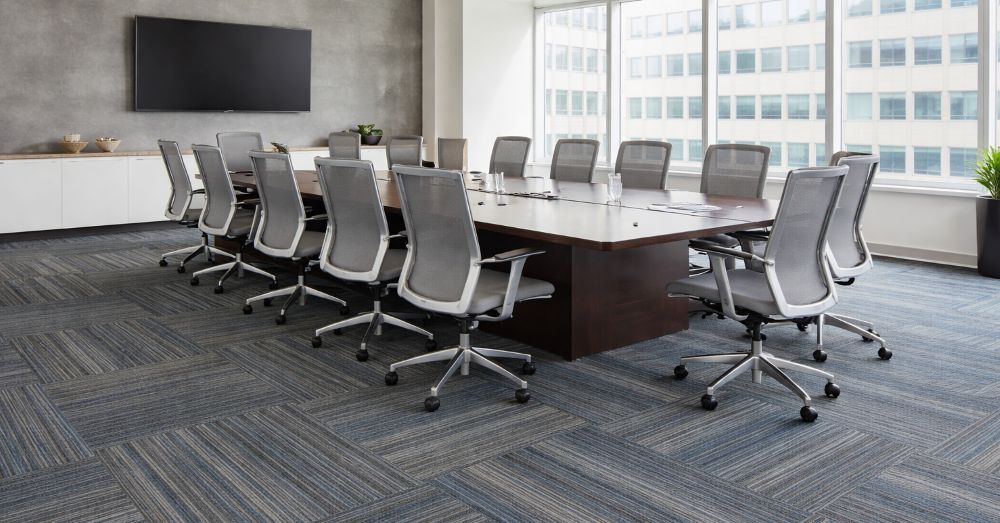
5. Carpet Tile
Why it works:
- Naturally slip-resistant surface
- Reduces trip hazards when properly installed
- Modular for easy replacement
Best for:
- Offices, conference rooms, administrative areas, classrooms
Key Factors When Selecting Slip-Resistant Flooring
Choosing the right flooring isn’t just about material—it’s about application.
1. Environment
- Will the floor be exposed to water, oil, or debris?
- Indoor vs. outdoor transition zones?
2. Maintenance Capabilities
- Some slip-resistant floors require specific cleaning protocols
- Improper maintenance can reduce traction over time
3. Foot Traffic Volume
- High-traffic areas need durable wear layers
- Consider rolling loads (carts, wheelchairs, equipment)
4. Aesthetics + Function
- Safety doesn’t mean sacrificing design
- Modern products blend slip resistance with high-end visuals
Enhancing Safety Beyond Flooring
Flooring is just one part of a comprehensive safety strategy:
- Walk-off mats at entrances to reduce moisture
- Proper drainage design in wet areas
- Routine cleaning schedules
- Clearly marked transitions and signage
Compliance and Standards to Consider
Government projects often require adherence to:
- ADA (Americans with Disabilities Act) guidelines
- OSHA recommendations
- Local and federal procurement standards
- Sustainability certifications (low VOC, recycled content)
Final Thoughts: Invest in Safety, Reduce Long-Term Costs
Slip-resistant flooring is one of the smartest investments government facilities can make. It reduces risk, improves occupant safety, and supports compliance—all while delivering long-term durability.
The key is selecting the right material for the right environment, backed by proper installation and maintenance.
Shop Smart with Continental Flooring
At shop.continentalflooring.com, facility managers and procurement teams can find a wide range of commercial-grade, slip-resistant flooring solutions tailored for government applications.
From healthcare-safe sheet vinyl to high-performance LVT and rubber flooring, the right solution is just a click away.